
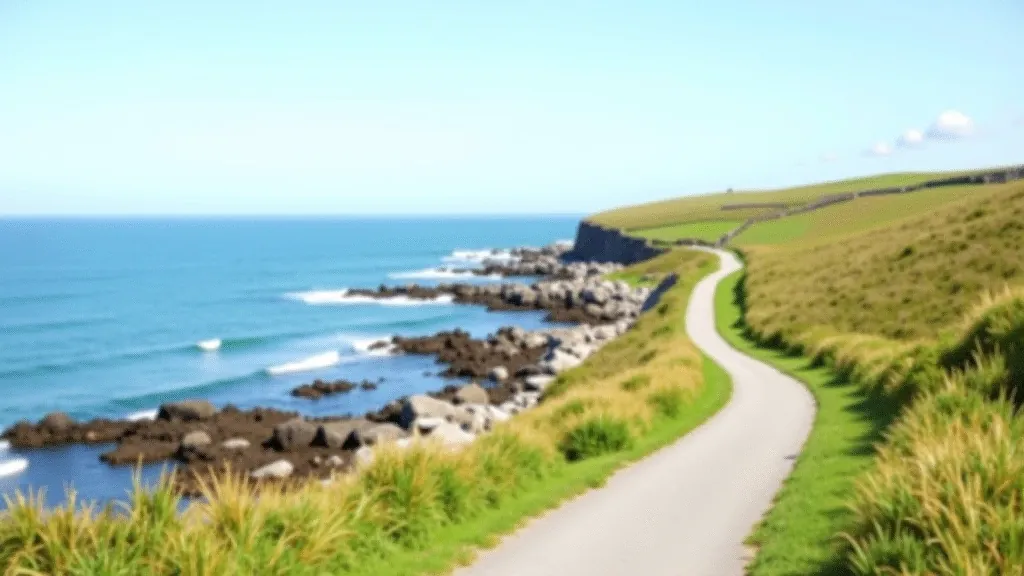
Salthill Promenade: The Complete Walking Route
The full 3km loop with detailed stops, bench locations, and what you'll see at each section of this beloved Galway coastal walk.
Everything you need to know about dressing for success on the Salthill Promenade, from footwear to sun protection
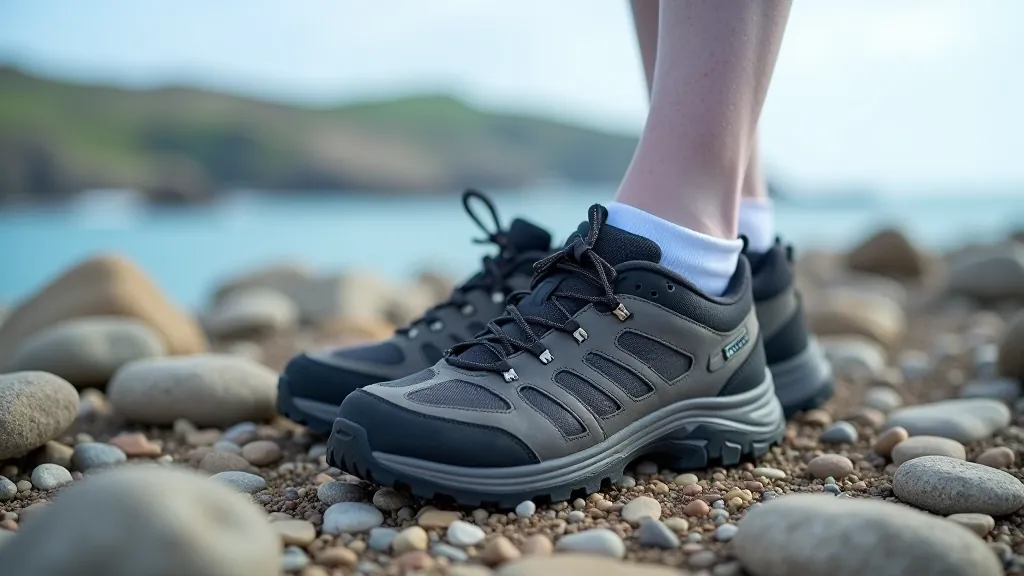

The Salthill Promenade isn't a demanding walk — most people complete it in 45 minutes to an hour. But that doesn't mean you can just head out in whatever you've got on. The coastal environment throws a few challenges your way. Wind, changing temperatures, and uneven surfaces mean proper gear makes a real difference.
We've put together this guide based on feedback from hundreds of walkers who've tackled this route. You'll find practical advice on footwear, clothing layers, sun protection, and what to actually bring with you. Nothing fancy or expensive — just sensible choices that'll make your walk more enjoyable.
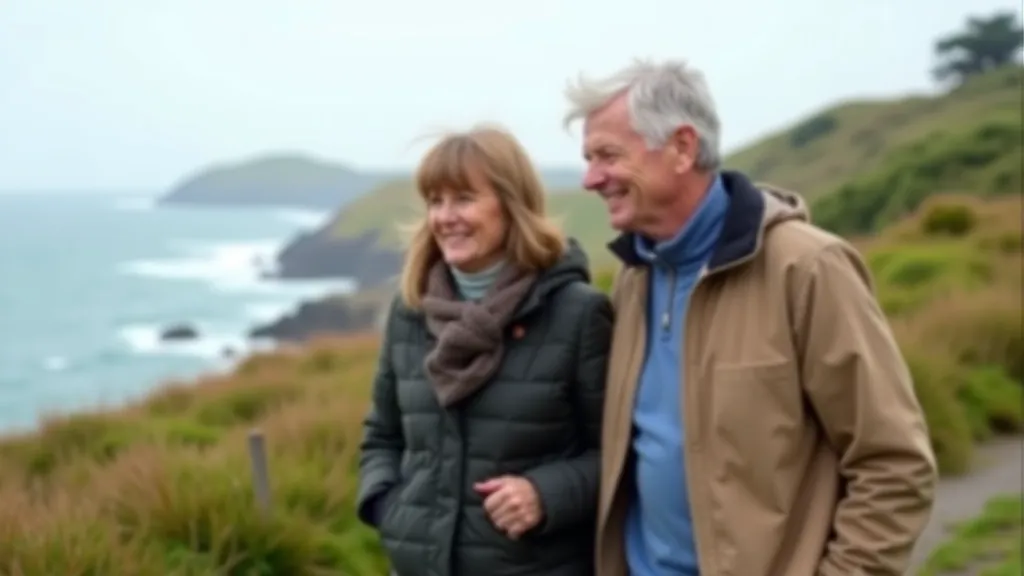
This is where you shouldn't compromise. The promenade has concrete sections, but plenty of rocky and uneven areas. You'll want shoes with proper grip and ankle support. Most people do well with dedicated walking shoes rather than trainers — they're designed specifically for this.
Hiking boots, waterproof walking shoes, or trail runners. Look for something with a decent tread — you'll be on wet surfaces sometimes.
Flip-flops, sandals, or smooth-soled shoes. We've seen people slip on wet rocks — it's not worth it.
Break in your shoes before the walk. Even good walking shoes need a couple of wears to feel comfortable on a longer route.
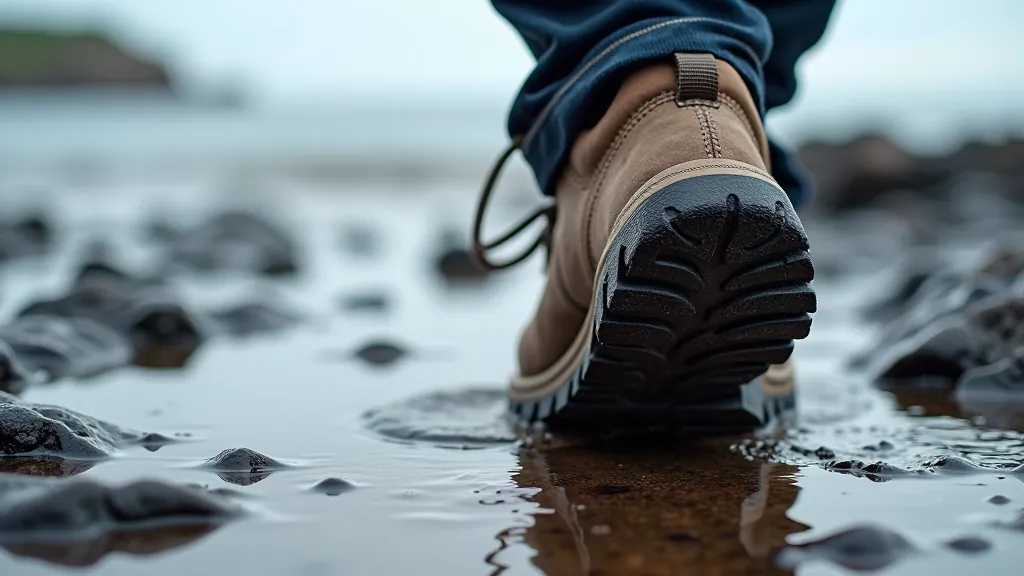
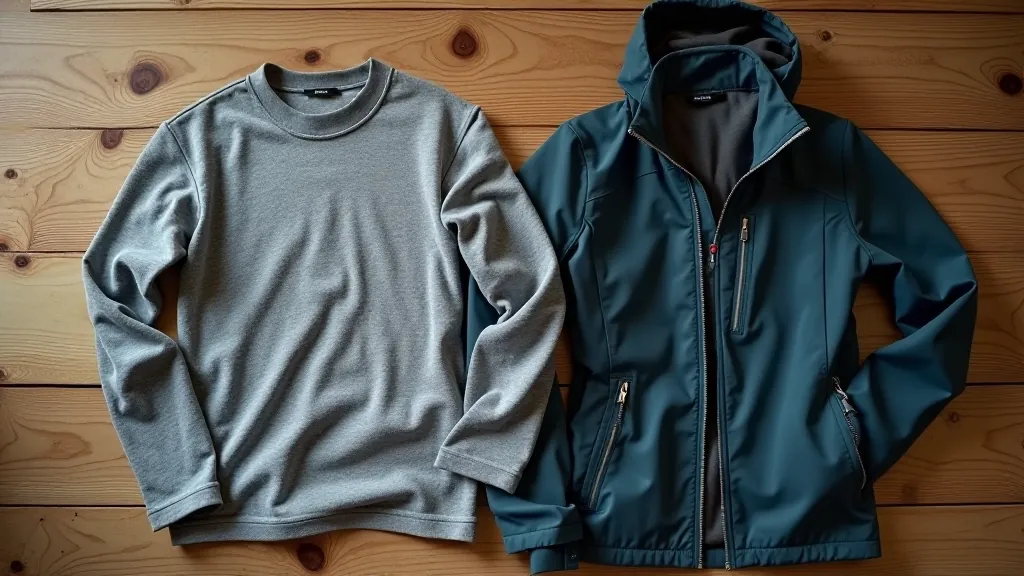
Don't overdress. The walk's only 3km and you'll warm up quickly once you're moving. Instead, wear layers you can remove. Start with a base layer (cotton or merino wool), add a fleece or light jumper, and bring a waterproof jacket you can tie around your waist if you don't need it.
The wind off the Atlantic can be brisk even on calm-looking days. You might be warm in the sun, then cold in the shade near the water. That's why layers work so well — you adjust as you go. Most people find they're shedding layers within 20 minutes once they get moving.
Even on cloudy days, you're exposed to UV rays reflecting off the water. Sun protection isn't optional here — it's essential. You'll be out in the open for the best part of an hour with nowhere to hide. The water amplifies the sun's intensity, so don't underestimate it just because there are clouds.
Bring sunscreen (SPF 30 minimum, though 50+ is better) and reapply it halfway through if you're sweating. A hat or cap makes a real difference — it protects your face, ears, and the back of your neck. Sunglasses aren't just for style; they reduce glare off the water and protect your eyes.

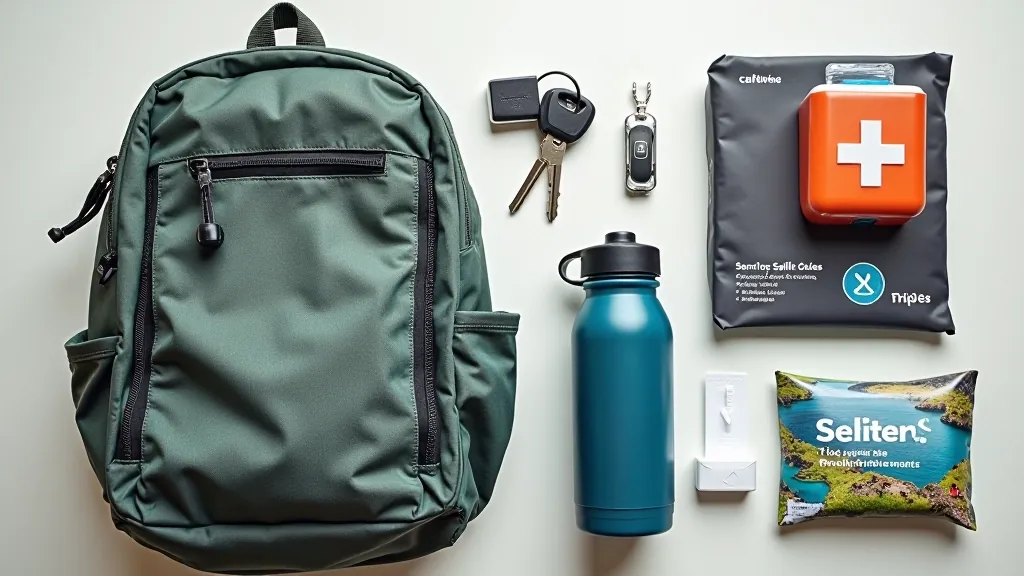
You don't need much, but you do need a few essentials. A small rucksack or crossbody bag is perfect — something you can carry comfortably for an hour. You're not going on an expedition, just a pleasant walk, so keep it light.
Bring at least 500ml. You'll warm up and the sea air is dehydrating. There's a café about halfway, but don't rely on it.
Keep your phone charged (it's coastal, signal is fine). Bring some ID. Not dramatic, just sensible.
Plasters, pain relief tablets, and antiseptic wipes. Blisters happen sometimes, especially in new shoes.
The wind makes noses run. It's a small thing but you'll be glad you've got one.
A banana or some nuts. The walk's short but you might get peckish, especially if you started early.
SPF-rated lip balm. Lips get sunburnt easily and it's uncomfortable for days.
Proper gear transforms a walk. You're not uncomfortable, you're not distracted by wind or sun or sore feet — you're just enjoying the views and the movement. That's what it's about.
None of this requires special equipment or expensive brands. You probably already have most of what you need at home. The key is thinking it through beforehand so you're not caught off guard. Check the weather forecast, layer up, bring sun protection, and you'll have a brilliant walk on the Salthill Promenade.
Pro reminder: Break in your shoes before the walk. Seriously. New footwear and a 3km coastal walk don't mix well. Do a couple of shorter walks first, or at least wear them around the house for a few hours.
This article provides general guidance about clothing and gear for the Salthill Promenade walk. Weather conditions, individual fitness levels, and personal health circumstances vary. Always check the weather forecast before heading out, inform someone where you're going, and turn back if conditions deteriorate. If you have specific health concerns or mobility questions, consult your doctor or a healthcare professional before undertaking this walk. The suggestions here are based on typical conditions and user feedback, but individual experiences may differ.