
Rest Stops & Seating Guide
Comprehensive guide to every bench, rest stop, and seating area along the Salthill route. Find the perfect spot to sit and take in the views.
Read GuideThe full 3km loop with detailed stops, bench locations, and what you'll see at each section. Perfect for first-time visitors.
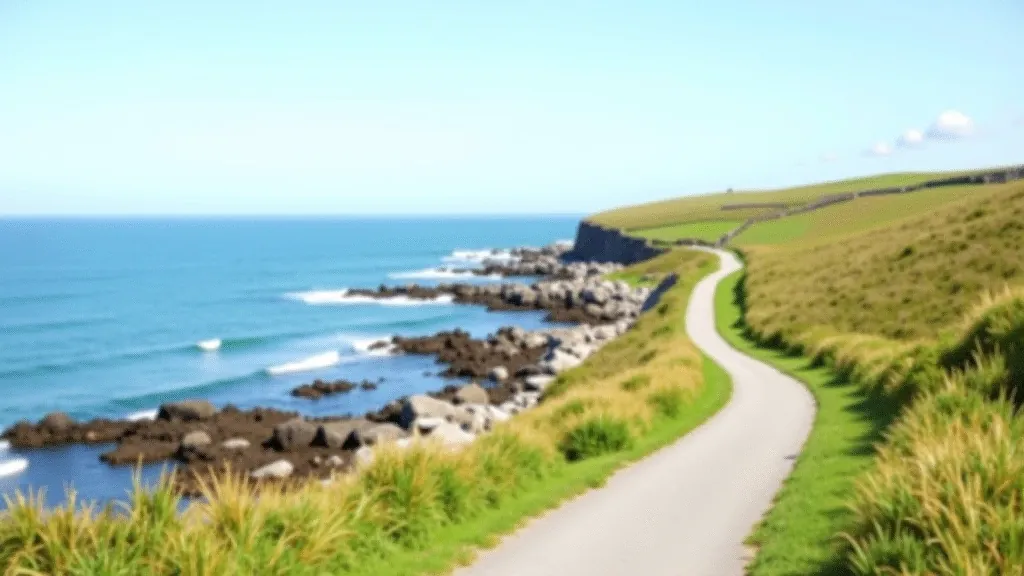

Salthill Promenade isn't just any walk. It's been the heart of Galway's coastal experience for generations, and it's still one of the most accessible, beautiful loops you can do in the west of Ireland. We're talking 3 kilometers of uninterrupted views, plenty of places to stop and rest, and enough character to keep you interested the whole way around.
Whether you're visiting for the first time or you've walked it a hundred times, there's always something new to notice — the way light hits the water at different times of day, the seasonal changes in the vegetation, the small stories embedded in the places you pass. That's what we'll cover here: the complete route, section by section, with all the practical details you need to make the most of it.
The loop is actually three distinct sections, each with its own character. You can do it all in one go, or you can break it into smaller walks depending on your mood and energy levels.
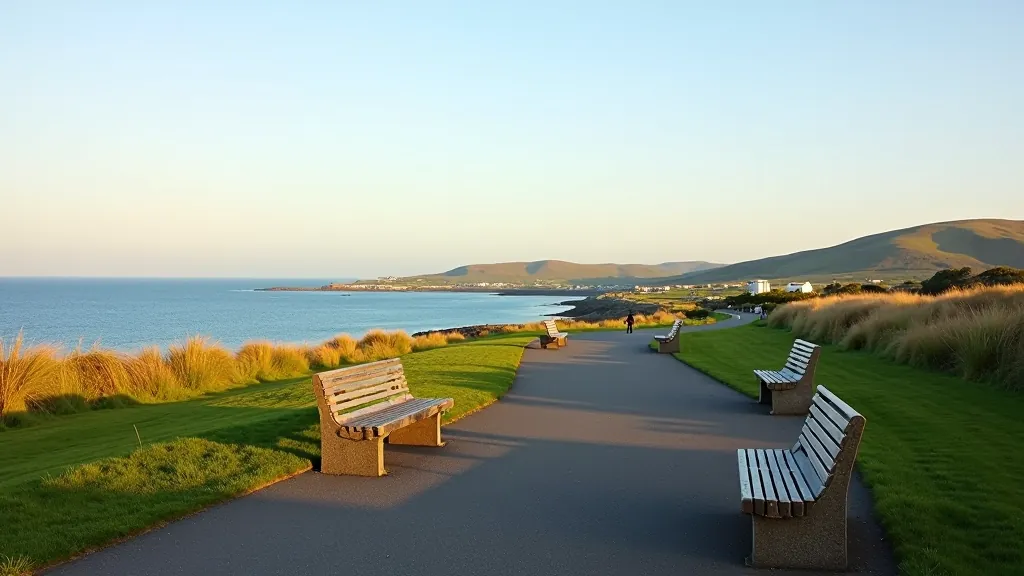
This is the section everyone knows. It starts at the pavilion and runs along the main waterfront. You'll find the majority of the benches here — there are about 15 of them spread along the path, each with views across the bay. The path is paved and well-maintained, with low barriers on the seaward side. The width varies, but it's generally about 3-4 meters wide, so there's room for walkers and cyclists without feeling crowded.
About halfway along, you'll pass the bathing area. It's worth knowing that the slipway there can get wet and slippery, so if you're using it as a turnaround point, watch your footing. The views from the benches in this section are genuinely stunning — you're looking directly at the Aran Islands on clear days, and the water changes color dramatically depending on the light and season.
After the main promenade, the path transitions to a slightly narrower, rockier section. This is where you get the real sense of being by the sea — there's no barrier here, and you're walking right along the rocks. It's completely safe if you're careful, but the path does require a bit more attention than the paved section. The rocks are limestone, weathered smooth in places and jagged in others.
There are 8-10 benches in this section, mostly positioned to take advantage of sheltered spots between the rocks. The views here are more intimate — you're much closer to the water, and you'll see seabirds, sometimes seals, and the rock formations up close. On windy days, this section gets real exposure, so it's worth timing your walk accordingly if you prefer calmer conditions.
The third section loops back inland slightly, taking you through a mix of grass verges, small planted areas, and a bit of tree cover. This part feels quieter — fewer people venture this far, so it's often more peaceful. The path is well-maintained but narrower than the promenade section, maybe 2 meters wide in places. There are about 6-7 benches on this stretch, positioned both facing the water and facing back toward Salthill itself.
What's interesting about this section is that it gives you a completely different perspective on the same coastline. You're seeing it from a different angle, and the vegetation — gorse, sea pinks, coastal grasses — changes the feeling of the walk. It's the perfect cooldown section if you've been out in the sun, and it's where you'll often see local residents doing their regular walks.
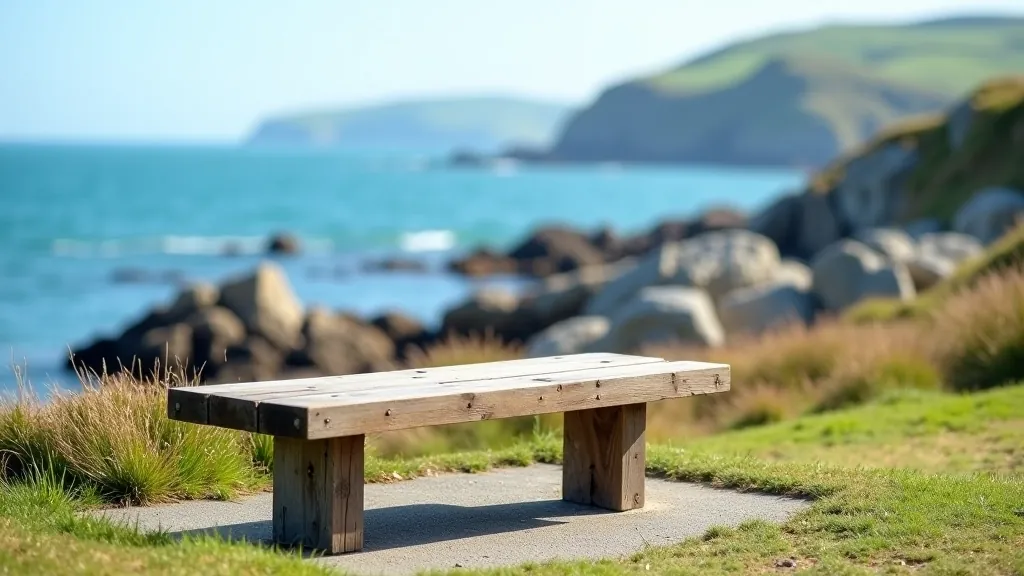
There are roughly 30 benches distributed across the entire loop. Not all of them are identical — some are modern metal ones, others are traditional wooden benches that've been there for years. The important thing to know is that they're positioned at regular intervals, so you're never more than about 200 meters from a place to sit.
The benches in the main promenade section are the most sheltered — they have backrests and some even have small wind breaks. The ones in the rocky section are more exposed but often in the nicest spots for views. If you're planning a longer sit-down, the benches near the pavilion area are your best bet — they're positioned for maximum sun and comfort, and they're close to facilities if you need them.
One practical note: there aren't many bins along the route, so it's best to carry your waste with you. The benches themselves are generally well-maintained, though they can get wet if it's rained recently or if you're walking early in the morning when there's dew.

The full loop takes about 45 minutes to an hour if you're walking at a steady pace without stopping. But honestly, that's not the point. Most people do it slower, stopping at benches, taking photos, just sitting and watching the water. A realistic time is 90 minutes to 2 hours if you're doing the whole thing with a few breaks.
You don't have to do the whole thing in one go. The sections are naturally divisible, so you can do just the promenade section (about 30-40 minutes) and call it a day. That's actually what a lot of regular walkers do — they'll do the main section 3-4 times a week rather than the full loop. It depends entirely on what you're looking for that day.
Best times to walk? Early morning (6-8am) is quiet and peaceful. Late afternoon (4-6pm) gives you beautiful light and fewer crowds. Midday can get busy with tourists and school groups, especially in summer. Winter walks are brilliant — the light's different, the water's more dramatic, and you'll have the place almost to yourself most days.
Beyond just the walk itself, there are specific things worth knowing about — landmarks, wildlife, seasonal changes.
On clear days, you're looking directly at three islands. The closest one is Inishmore. They change appearance dramatically depending on light and weather — sometimes they look close enough to touch, other times they're hazy and distant. Early morning light hits them beautifully.
Cormorants, gulls, oystercatchers, and occasionally seals are regular sights. The rocky section is particularly good for spotting birds. Winter months bring different species. If you're interested in birdwatching, bring binoculars — you'll see a lot more detail.
Spring brings flowering coastal plants. Summer is peak tourist season but also when the light's most golden. Autumn gives you dramatic skies and rougher water. Winter is stark and beautiful — fewer people, more moody weather, incredible light angles.
The limestone rocks in the middle section have weathered into fascinating shapes. Some have natural pools that fill with seawater at high tide. The geological story here spans millions of years — you're literally walking on ancient seafloor.
The water isn't one color. You'll see deep blues, turquoise shallows, grey on overcast days, and sometimes almost purple when storms are approaching. The changing light throughout the day makes a huge difference to what you see.
Sea pinks, coastal grasses, and hardy shrubs that thrive in salt spray. The return section has the most vegetation. If you're interested in plants adapted to coastal conditions, there's plenty to observe here.

Salthill Promenade isn't complicated. You don't need special equipment or exceptional fitness. What it does require is time — not necessarily a lot of it, but enough to actually be present while you're walking. That's where the value is. People come back to this walk repeatedly because it gives them something different each time. The light changes. The season changes. Your own mood and energy level change.
If you're visiting Galway for the first time, this is absolutely worth doing. If you're local, it's a walk that never quite gets old because the sea never stays the same. Whether you're doing the full 3km loop or just the main promenade section, you're getting one of the best coastal walks in Ireland — accessible, beautiful, and with plenty of places to stop and simply exist for a while.
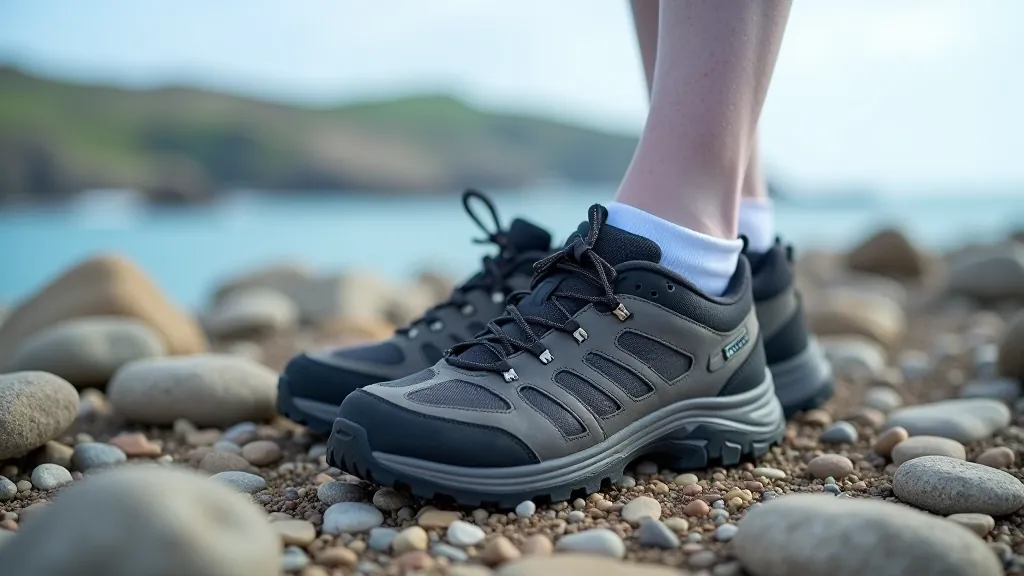
The route has been here for generations. It'll be here long after you've walked it. That's worth something — a kind of permanence and authenticity that's harder to find these days. Go early in the morning if you can. Bring comfortable shoes. Don't rush. That's really all you need to know.
This article provides educational information about Salthill Promenade and coastal walking in Galway. While we've made every effort to ensure accuracy, conditions can change — paths may be temporarily closed, facilities may vary, and weather conditions are unpredictable. We recommend checking local sources for current conditions before your visit. Walking any coastal route carries inherent risks. Always exercise caution, especially in windy or wet conditions. If you have mobility concerns or health conditions that might affect your ability to walk, please consult with appropriate professionals and assess the route carefully. We're not responsible for accidents, injuries, or any issues that arise from using this information.